
Corrugated boxes are among the most widely used packaging solutions across the globe, valued for their strength, versatility, and sustainability. Whether you’re a business shipping products or an individual packing for a move, these boxes offer an ideal balance of protection, cost-effectiveness, and environmental friendliness.
What Are Corrugated Boxes
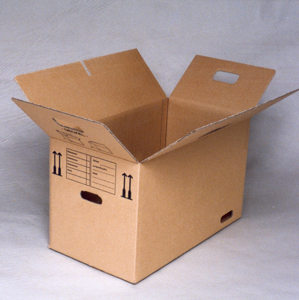
Corrugated boxes are made from corrugated fiberboard, which consists of a fluted corrugated sheet sandwiched between two flat linerboards. This layered construction gives the box both structural rigidity and cushioning that protects items during shipping and handling.
Benefits of Corrugated Boxes
-
Superior protection: The fluted inner layers act as a cushion against bumps, drops, and vibrations, minimizing product damage during transit.
-
Versatile designs: Corrugated boxes come in a wide range of sizes and strengths, able to efficiently accommodate light to heavy, fragile, or awkwardly shaped items.
-
Cost-efficient: Compared to wood or plastic packaging, corrugated boxes are affordable, lightweight, and help reduce shipping costs.
-
Environmentally friendly: Most corrugated boxes are made from recycled materials and are themselves highly recyclable, fitting perfectly into a sustainable business model.
-
Effective branding and storage: The box surface allows for custom printing, turning packaging into a branding tool, while their stackable design optimizes warehouse and shipping space.
Common Uses
Corrugated boxes are utilized in nearly every industry:
-
E-commerce and retail shipping for product protection
-
Food delivery and storage due to moisture and bacteria resistance
-
Custom packing for electronics and fragile goods
-
Bulk shipment of industrial and consumer products